
6325 Main St #140, Woodridge, IL 60517
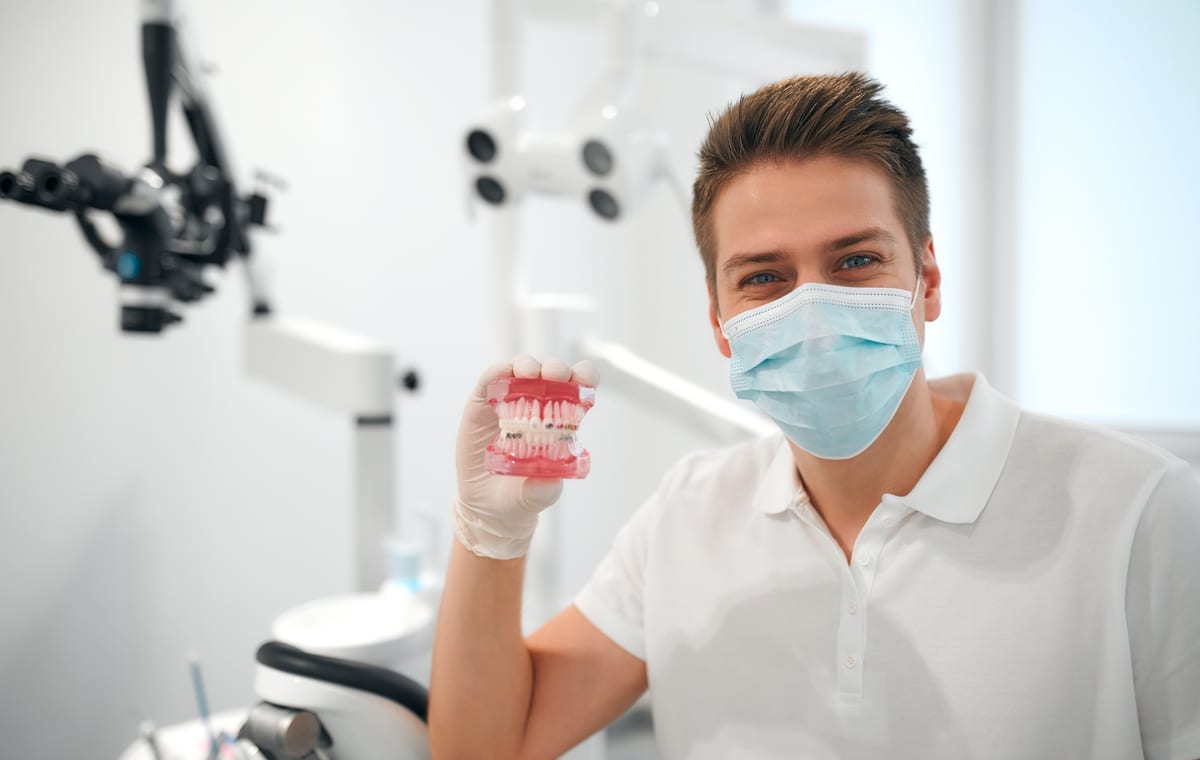
Your gum treatment results can last decades—here’s how Woodridge patients are making it happen. Periodontal care is one of the most rewarding investments you can make in your oral health. The results are not just temporary. With the right habits and professional support, healthy gums can stay that way for a lifetime.
Dr. Fariha Querishi at Seven Bridges Dental Studio has helped many Woodridge patients achieve lasting gum health. Understanding what supports long-term success makes all the difference. This article breaks down exactly what extends—or shortens—your results.
How Long Do Gum Treatment Results Actually Last in Woodridge?
Gum disease treatment—including scaling and root planing—can deliver lasting improvements. Many patients maintain healthy gum tissue for ten, twenty, or even thirty years. The longevity depends heavily on your commitment after treatment ends.
Studies show that patients who follow prescribed maintenance schedules rarely experience serious relapse. The gum tissue heals and reattaches when bacteria are consistently controlled. Woodridge patients who stay consistent tend to see the best long-term outcomes.
However, gum disease is a chronic condition. It does not disappear permanently without ongoing care. Think of it like managing blood pressure—treatment works, but maintenance keeps it working.
- Scaling and root planing results can hold for decades with proper care
- Pocket depth reduction often stabilizes within six months of treatment
- Bone loss progression slows significantly after successful periodontal therapy
- Regular monitoring prevents small setbacks from becoming major problems
What Shortens the Lifespan of Your Gum Treatment Results
Several factors can undo the progress you made during treatment. Knowing these risks helps you stay ahead of them. Awareness is the first step toward prevention.
Tobacco use is one of the biggest threats to gum health. Smoking reduces blood flow to gum tissue. It also masks early warning signs like bleeding, making problems harder to detect early.
Skipping your maintenance appointments is another major risk factor. Bacteria rebuild in pockets within weeks of a cleaning. Without regular removal, inflammation returns and tissue damage resumes.
- Tobacco use significantly impairs gum tissue healing
- Uncontrolled diabetes increases susceptibility to gum infection
- Poor brushing and flossing habits allow plaque to accumulate quickly
- Stress weakens immune response, making gums more vulnerable
- Grinding teeth can worsen gum recession and bone loss over time
Hormonal changes—such as pregnancy or menopause—can also affect gum sensitivity. These periods require closer monitoring, not less. Talk to Dr. Querishi if your life circumstances change significantly.
The Maintenance Plan That Extends Your Results for Decades
Periodontal maintenance is not the same as a standard cleaning. It targets deeper areas around the roots of teeth. This specialized care keeps bacterial levels low and gum tissue stable.
Most patients with a history of gum disease visit every three to four months. This frequency is not arbitrary—it matches the bacterial regrowth cycle. Staying on this schedule is one of the most powerful things you can do.
At home, your daily routine matters just as much as your office visits. Brushing twice a day with a soft-bristle brush removes surface plaque. Flossing or using an interdental brush reaches the spaces your toothbrush cannot.
Here is what a strong gum health maintenance plan looks like:
- Professional periodontal cleanings every three to four months
- Daily brushing for at least two minutes, morning and night
- Daily flossing or use of an interdental cleaning tool
- Antimicrobial rinses if recommended by your dentist
- Annual X-rays to monitor bone levels around teeth
Dr. Querishi tailors each maintenance plan to the individual patient. No two cases are identical. Your history, risk factors, and lifestyle all shape the right approach for you.
Restorative and Supportive Treatments That Protect Long-Term Gum Health
Sometimes maintaining gum health requires more than cleanings alone. Damaged or missing teeth can shift the way pressure distributes in your mouth. This directly affects gum tissue and bone over time.
Patients exploring Restorative Dentistry Woodridge options often find that repairing teeth also helps stabilize gum health. Crowns, fillings, and dental implants restore proper bite function. A balanced bite reduces excessive stress on gum tissue and bone.
Dental implants, in particular, support jawbone density after tooth loss. Preserving bone also preserves the gum architecture around neighboring teeth. This makes implants a smart long-term investment for patients with a periodontal history.
Addressing dental problems promptly also prevents complications from escalating. If you develop sudden pain or swelling, do not wait. Patients in Woodridge needing urgent care can access Emergency Dentistry Woodridge services to stop problems early.
What Ongoing Success Looks Like Year After Year
Long-term gum health is not about perfection. It is about consistent effort and catching small issues before they grow. Patients who succeed long-term tend to treat dental care as a priority, not an afterthought.
Annual check-ins allow Dr. Querishi to reassess your pocket depths and bone levels. If early signs of recurrence appear, targeted treatment can reverse the trend. Early action almost always produces better outcomes than delayed response.
Many Woodridge patients find that their gum health actually improves over the years with good habits. The first year after treatment is the most critical. Building strong routines during that window sets the foundation for decades of stability.
Your commitment today protects your smile for years to come. Healthy gums support healthy teeth, and healthy teeth support your overall wellbeing. The investment is always worth it.
Seven Bridges Dental Studio is here to guide you through every phase of that journey. Dr. Fariha Querishi and her team provide compassionate, expert periodontal care in Woodridge, IL. Book Now to schedule your appointment with our team.
Frequently Asked Questions
How often should I see a dentist after periodontal treatment?
Most patients with a history of gum disease should visit every three to four months. This schedule prevents bacteria from reaching levels that cause tissue damage. Your dentist will adjust the frequency based on how your gums respond over time.
Can gum disease come back after treatment?
Yes, gum disease can return if maintenance is neglected. It is a chronic condition that requires ongoing management. However, patients who stick to their care plan rarely experience serious relapse.
What daily habits help maintain gum treatment results?
Brushing twice daily, flossing every day, and using any recommended antimicrobial rinse all help maintain results. Quitting tobacco and managing conditions like diabetes also play a major role. Consistency is more important than any single product or technique.
Does diet affect gum health long-term?
Yes, diet has a meaningful impact on gum tissue health. Foods high in sugar feed the bacteria that cause gum disease. A diet rich in vegetables, lean proteins, and low-sugar foods supports a healthier oral environment.
When should I be concerned about changes in my gums?
Contact your dentist if you notice bleeding, swelling, increased sensitivity, or gum recession. These can be early signs of recurrence. Catching changes early makes treatment much more straightforward and effective.