6325 Main St #140, Woodridge, IL 60517

You just invested in your smile — and that matters. Knowing what to avoid after treatment in Woodridge keeps your results looking great for years. At Seven Bridges Dental Studio, Dr. Fariha Querishi helps patients protect their cosmetic dental work with straightforward, practical guidance. This article walks you through the habits, foods, and behaviors that can shorten the life of your dental work.
Why Aftercare Matters for Your Cosmetic Dental Work
Cosmetic treatments like veneers, bonding, and teeth whitening are durable — but they are not indestructible. The choices you make in the days and weeks after treatment have a direct impact on longevity. Skipping proper aftercare is one of the most common reasons patients need early touch-ups or replacements.
Every cosmetic treatment has a recovery window. During this time, your teeth and gums are more vulnerable. Following your dentist’s aftercare instructions protects both your investment and your oral health.
Dr. Querishi emphasizes that patients who follow post-treatment guidance consistently report better outcomes. Small daily habits add up over time. They can mean the difference between results that last five years versus fifteen.
Foods and Drinks to Avoid After Cosmetic Treatment in Woodridge
What you eat and drink after cosmetic dental work is critical. Some foods can stain, chip, or weaken your new smile sooner than you expect.
Here are the top foods and drinks to avoid:
- Dark-pigmented beverages — coffee, red wine, tea, and cola can stain veneers and bonding
- Hard or crunchy foods — ice, hard candy, and raw carrots can chip porcelain veneers
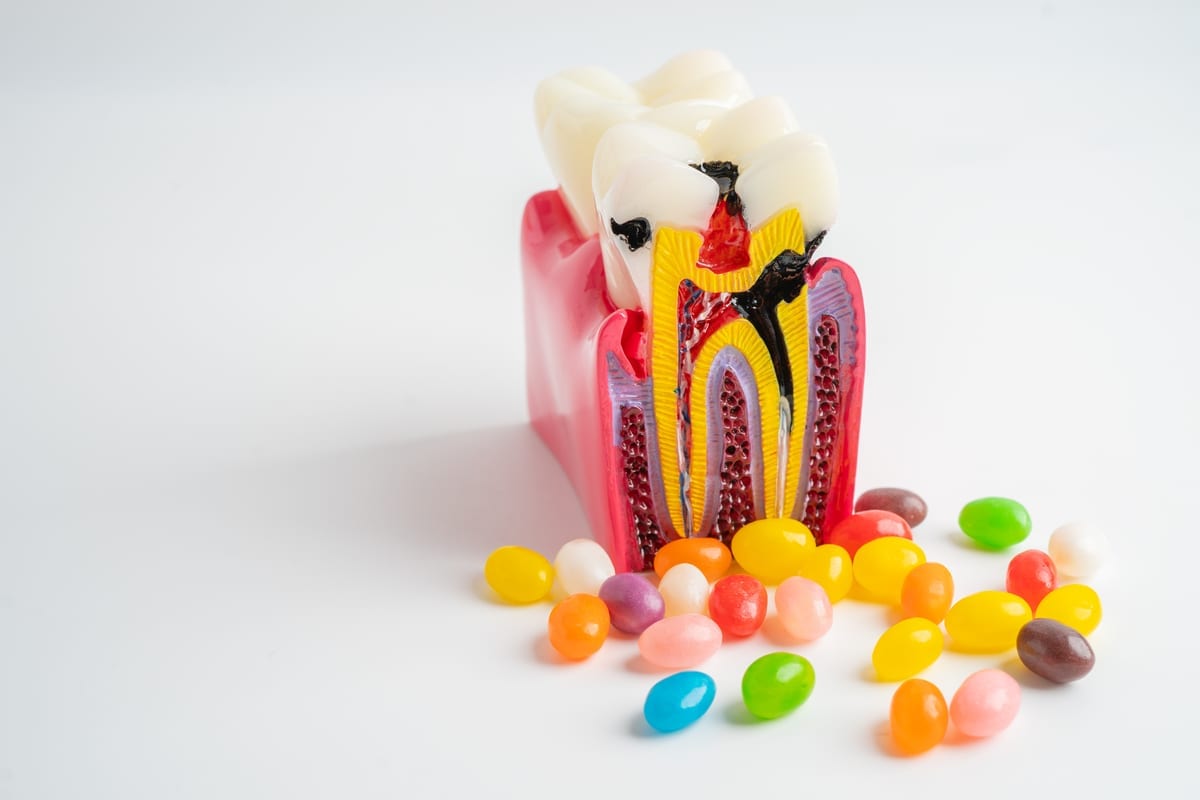
- Sticky foods — caramel, taffy, and gummy candies can dislodge bonding or pull at crowns
- Acidic foods — citrus fruits and vinegar-based foods weaken enamel and bonding material
- Extremely hot or cold foods — temperature extremes cause sensitivity after many cosmetic procedures
If you have recently had teeth whitening, the first 48 hours are especially important. Teeth are more porous right after whitening. Staining agents penetrate faster during this window.
Switching to a straw for beverages reduces direct contact with treated teeth. It is a simple habit that makes a real difference. Dr. Querishi recommends this tip to almost every whitening patient.
Daily Habits That Damage Cosmetic Dental Work
Beyond food choices, everyday habits can silently wear down your cosmetic results. Many patients do not realize how damaging some routines can be.
Avoid these common habits after cosmetic treatment:
- Nail biting — places uneven pressure on veneers and bonding
- Chewing on pens or pencils — a surprisingly common source of chips
- Using teeth as tools — opening packages or bottles with your teeth risks cracking
- Grinding or clenching — bruxism wears down porcelain and bonding faster than normal use
- Skipping a nightguard — if you grind at night, a custom guard protects your investment
Grinding is especially concerning for veneer patients. The pressure from bruxism can crack or pop off a veneer over time. If you suspect you grind your teeth, talk to Dr. Querishi about a custom nightguard before or after treatment.
Brushing too hard also causes damage. Use a soft-bristled toothbrush and gentle circular motions. Aggressive brushing wears away the polished surface of bonding and can irritate gum tissue around crowns.
When to Schedule Maintenance Visits After Treatment
Routine dental visits are not optional after cosmetic work — they are essential. Professional maintenance extends the life of every cosmetic treatment you receive. Dr. Querishi recommends a structured follow-up schedule for all cosmetic patients at Seven Bridges Dental Studio.
Here is what routine maintenance typically includes:
- Professional polishing to remove surface stains without damaging veneers or bonding
- Examination of bonding edges and veneer margins for early wear
- Gum health assessment, since healthy gums are the foundation of a lasting smile
- Bite evaluation to catch grinding patterns early
- Touch-up whitening treatments to keep your shade consistent
Most patients benefit from visits every six months. However, some cosmetic cases call for more frequent check-ins during the first year. Your dentist will recommend a schedule based on your specific treatment and lifestyle.
Do not wait until something looks wrong. Early detection of a loose bonding edge or veneer chip saves time and money. Prompt care through Restorative Dentistry Woodridge can address small problems before they grow larger.
What to Do If Something Goes Wrong
Even with perfect aftercare, unexpected issues can arise. A veneer may chip. A crown may feel loose. Knowing how to respond quickly protects your smile and prevents further damage.
Do not ignore symptoms like sensitivity, a rough edge, or unusual pressure when biting. These are early warning signs that something needs attention. Acting fast reduces the chance of needing more extensive treatment.
If you experience sudden pain or a dental emergency, Seven Bridges Dental Studio is here to help. Our team provides Emergency Dentistry Woodridge patients can count on. Reaching out quickly is always the right move.
Between visits, rinse with water after meals and use non-abrasive toothpaste. Avoid whitening toothpastes with harsh abrasives on veneers or bonding. These small steps keep your smile stable until your next appointment.
Long-Term Tips for Protecting Your Smile in Woodridge
Long-term success with cosmetic dental work comes down to consistency. No single habit protects your results — it is a combination of smart choices made every day. Dr. Querishi encourages patients to think of cosmetic dental care as ongoing, not one-time.
Stay well hydrated throughout the day. Water rinses away food particles and reduces acidity in the mouth. It also keeps gum tissue healthy, which directly supports the appearance and longevity of your smile.
Avoid tobacco products entirely. Smoking and chewing tobacco stain veneers, bonding, and crowns significantly faster than normal use. Tobacco also harms gum tissue, which affects how your cosmetic work looks and holds over time.
Work with your dentist to create a personalized maintenance plan. Every patient’s needs are slightly different. A tailored approach ensures your specific cosmetic work gets the care it needs to last as long as possible.
Your smile is worth protecting. At Seven Bridges Dental Studio, we support Woodridge patients through every stage of their cosmetic dental journey — from the initial treatment to long-term maintenance. Book Now to schedule your appointment with our team.
Frequently Asked Questions
How long should I avoid staining foods after teeth whitening?
You should avoid dark-pigmented foods and beverages for at least 48 to 72 hours after teeth whitening. This is the window when your enamel is most porous and most vulnerable to staining. After that period, you can gradually reintroduce foods while maintaining good oral hygiene habits.
Can I use whitening toothpaste on my veneers or bonding?
Most whitening toothpastes are too abrasive for veneers and bonding material. They can scratch the polished surface over time, making your cosmetic work appear dull. Ask Dr. Querishi to recommend a non-abrasive toothpaste that keeps your teeth clean without damaging your results.
How often should I visit the dentist after cosmetic dental treatment?
Most patients should schedule visits every six months after cosmetic treatment. However, some cases — especially complex restorations — may require more frequent visits in the first year. Your dentist will recommend the right schedule based on your individual treatment plan.
What happens if my veneer chips or falls off?
Contact your dental office as soon as possible if a veneer chips or becomes dislodged. Do not try to reattach it yourself. Keep the veneer safe and bring it to your appointment. Early treatment through restorative care can often repair or recement the veneer without replacing it entirely.
Does grinding my teeth really damage veneers?
Yes — grinding places significant stress on porcelain veneers and bonding material. Over time, bruxism can crack, chip, or completely break cosmetic restorations. A custom nightguard is one of the best investments you can make to protect your cosmetic dental work if you grind your teeth.