
6325 Main St #140, Woodridge, IL 60517
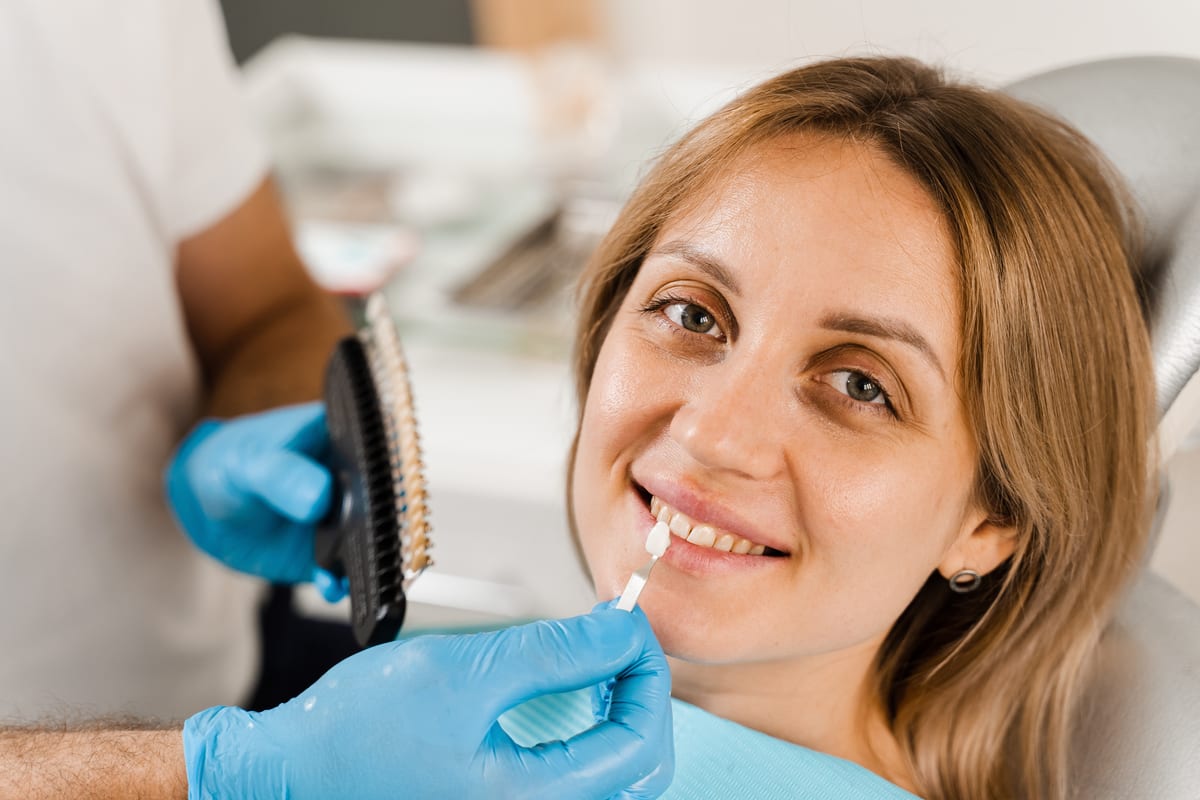
If you’ve been researching ways to improve your smile, veneers have likely come up. Choosing between porcelain vs. composite veneers — which lasts longer and costs less in Woodridge — is one of the most common questions Dr. Fariha Querishi hears at Seven Bridges Dental Studio. Both options can deliver beautiful results. But they differ significantly in durability, appearance, cost, and the procedure involved. Understanding those differences helps you make a confident, informed decision.
What Are Porcelain and Composite Veneers?
Veneers are thin shells bonded to the front surface of your teeth. They correct a wide range of cosmetic concerns, including chips, stains, gaps, and uneven sizing. The material used makes a significant difference in how they look and how long they last.
Porcelain veneers are custom-crafted in a dental lab from high-quality ceramic. They require two or more appointments to complete. Composite resin veneers are applied directly to the tooth surface in a single visit. Dr. Querishi shapes and bonds the resin by hand during your appointment.
Both types fall under the broader category of Restorative Dentistry Woodridge services we offer at Seven Bridges Dental Studio. Each approach has its own strengths depending on your smile goals and budget.
Aesthetics: Which Veneer Looks More Natural?
Porcelain veneers are widely considered the gold standard for aesthetics. The material closely mimics the way natural tooth enamel reflects light. This creates a translucent, lifelike appearance that’s hard to distinguish from real teeth.
Composite veneers have improved dramatically in recent years. Skilled dentists can sculpt them to look very natural. However, composite resin lacks the same light-reflecting properties as porcelain.
For patients seeking the most seamless, camera-ready results, porcelain is typically the stronger choice. That said, composite veneers still deliver a noticeably improved smile. For minor corrections or budget-conscious patients, they remain an excellent option.
Durability: Porcelain vs. Composite Veneers — Which Lasts Longer in Woodridge?
Durability is often the deciding factor for many patients. Here’s a straightforward comparison:
- Porcelain veneers typically last 10–15 years with proper care. Some last even longer.
- Composite veneers generally last 5–7 years before needing replacement or significant repair.
- Porcelain is stain-resistant. Composite is more porous and can discolor over time.
- Composite is more prone to chipping under pressure. Porcelain is stronger once bonded.
- Both require good oral hygiene and regular cleanings to reach their full lifespan.
For Woodridge patients who want a long-term investment, porcelain tends to offer better value over time. Composite veneers may need more frequent touch-ups, which can add up in cost over the years.
Cost Comparison: Which Option Costs Less?
Upfront cost is one area where composite veneers have a clear advantage. Composite veneers typically cost significantly less per tooth than porcelain. The exact cost varies based on the number of teeth treated and case complexity.
Porcelain veneers involve lab fees and multiple appointments. That drives the price higher initially. However, their longer lifespan means fewer replacements over time.
Think of it this way. Composite veneers cost less now but may need replacing sooner. Porcelain veneers cost more upfront but often require less maintenance long-term. Your best option depends on your priorities and long-term smile goals.
The Procedure: What to Expect With Each Type
The treatment process differs meaningfully between the two types. Knowing what’s involved helps you plan your schedule and set realistic expectations.
Porcelain veneer process:
- Consultation and smile planning with Dr. Querishi
- Tooth preparation — a thin layer of enamel is removed
- Impressions taken and sent to a dental lab
- Temporary veneers placed while your custom set is crafted
- Permanent veneers bonded at your second appointment
Composite veneer process:
- Consultation to assess your smile and goals
- Minimal or no enamel removal required
- Resin applied directly to the tooth surface
- Shaped and sculpted by Dr. Querishi in one visit
- Hardened with a curing light and polished to finish
Composite veneers are a reversible or minimally invasive option. Porcelain veneers require permanent enamel reduction. That’s an important distinction for patients who prefer to preserve natural tooth structure.
Repairability: What Happens If Something Goes Wrong?
Accidents happen. Knowing how each veneer type handles damage is practical information. Composite veneers are easier and less expensive to repair. If a chip occurs, Dr. Querishi can typically add more resin and reshape it in the same appointment.
Porcelain veneers cannot be repaired if they crack or chip. A damaged porcelain veneer must be fully replaced. That makes composite a more forgiving choice for patients with active lifestyles or habits like grinding teeth.
If you experience a veneer issue that needs urgent attention, our team is here to help. We also provide Emergency Dentistry Woodridge services for patients who need prompt dental care.
Which Veneer Is Right for You in Woodridge?
The right choice depends on several personal factors. Consider the following when making your decision:
- Your budget — composite costs less upfront, porcelain offers longer value
- How long you want your veneers to last
- Whether aesthetics or repairability matters more to you
- How much natural tooth structure you want to preserve
- Your commitment to maintenance and follow-up care
Dr. Querishi takes time during consultations to understand each patient’s goals. She’ll walk you through both options clearly and honestly. There’s no one-size-fits-all answer — the best veneer is the one that fits your life and your smile.
At Seven Bridges Dental Studio in Woodridge, we believe informed patients make better decisions. Our goal is always to educate first and recommend second. Book Now to schedule your appointment with our team.
Frequently Asked Questions
Are porcelain veneers worth the higher cost?
For many patients, yes. Porcelain veneers last significantly longer and offer superior aesthetics. Over 10–15 years, the cost per year often becomes comparable to composite. It depends on your long-term goals and budget priorities.
Can composite veneers be whitened if they stain?
Composite resin does not respond to traditional whitening treatments. If your composite veneers discolor, they typically need to be polished or replaced. This is one reason porcelain’s stain resistance is a significant advantage.
Do veneers damage your natural teeth?
Porcelain veneers require removing a thin layer of enamel, which is irreversible. Composite veneers involve little to no enamel removal, making them a more conservative option. Dr. Querishi will discuss what’s involved before any preparation begins.
How do I maintain veneers after placement?
Good oral hygiene is essential. Brush gently twice daily, floss regularly, and attend routine cleanings. Avoid biting hard objects and consider a night guard if you grind your teeth. Proper care helps both porcelain and composite veneers reach their full lifespan.
Is the veneer process painful?
Most patients experience minimal discomfort. Local anesthesia is used during tooth preparation if needed. Some sensitivity after placement is normal but usually resolves quickly. Dr. Querishi prioritizes patient comfort throughout every procedure.