
6325 Main St #140, Woodridge, IL 60517
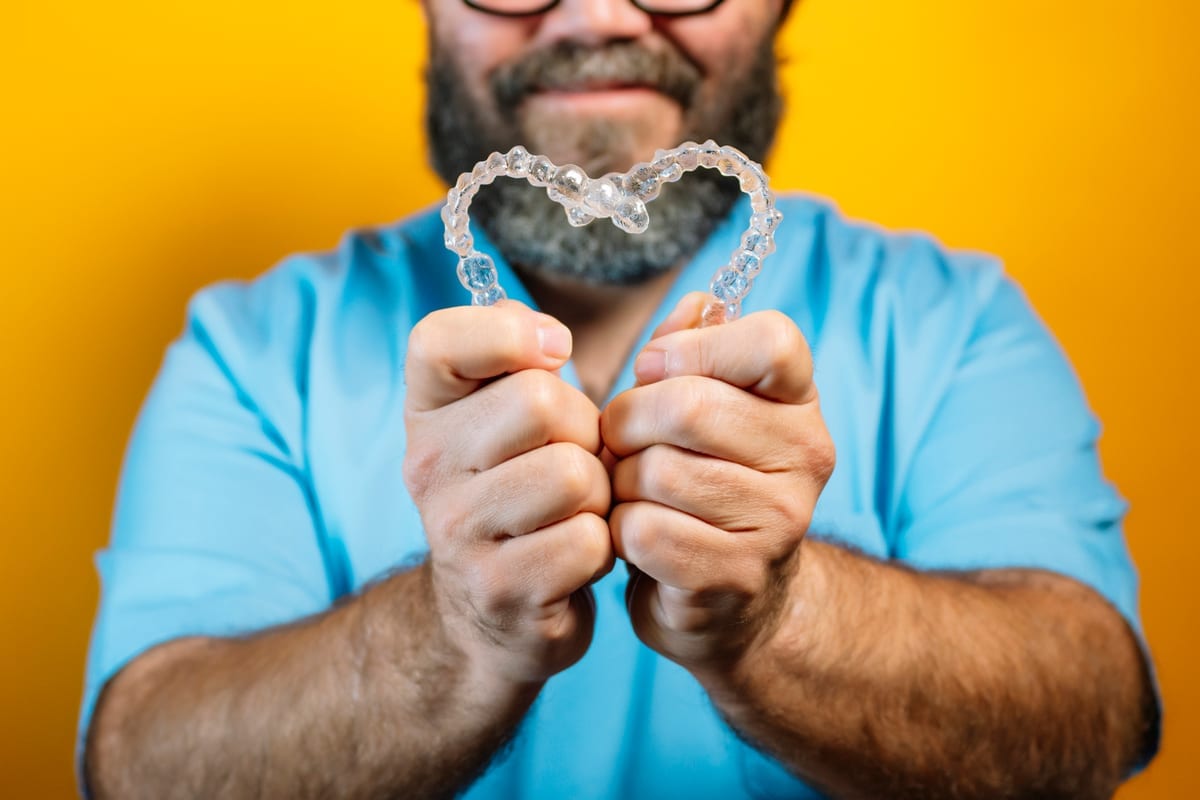
If you are considering clear aligners, you have probably asked yourself: Invisalign takes how long, and what actually controls your timeline? The answer depends on several personal factors. There is no single number that fits every patient. Understanding what drives treatment length helps you set realistic expectations from day one.
Most adults complete Invisalign treatment between 12 and 18 months. Mild cases can finish in as few as 6 months. Complex cases may take 24 months or more. The range is wide because every smile is different.
What Is the Average Invisalign Timeline?
The average Invisalign patient wears aligners for about 12 to 18 months. This estimate comes from clinical data across thousands of cases. However, averages can be misleading without context. Your own timeline depends on the specific movements your teeth need to make.
Mild crowding or minor spacing issues tend to resolve faster. Moderate bite corrections and rotations take longer. Severe misalignment cases require the most treatment time. Your dentist maps out the full plan during your initial consultation.
Invisalign uses a series of custom trays. Each tray moves your teeth a fraction of a millimeter. You switch to a new tray roughly every one to two weeks. The total number of trays in your series directly predicts your treatment length.
Key Factors That Shorten or Extend Your Timeline
Several variables influence how long your Invisalign journey takes. Some are fixed, like your bone density and tooth anatomy. Others are within your control. Knowing both categories helps you stay realistic and proactive.
Factors that tend to shorten treatment time:
- Mild spacing or crowding with no bite issues
- Younger patients whose bone responds faster
- Consistent aligner wear of 20 to 22 hours per day
- Attending all scheduled check-up appointments
- Following any prescribed use of attachments or elastics
Factors that tend to extend treatment time:
- Significant bite problems such as overbite or underbite
- Severe crowding requiring more tooth movement stages
- Skipping aligner changes or wearing trays fewer hours
- Missing dental appointments that delay progress checks
- Need for mid-treatment refinements due to unexpected shifts
Refinements are additional trays ordered when teeth do not move exactly as planned. They add weeks or months to your total timeline. Refinements are common and normal. They are not a sign of failure.
How Compliance Directly Controls Your Results
Compliance is the single biggest variable you can control. Invisalign aligners must be worn 20 to 22 hours every day. That leaves only two to four hours for eating, drinking, and brushing. Wearing them less than that slows tooth movement significantly.
Each tray is designed to apply gentle, consistent pressure. Removing aligners too often breaks that pressure cycle. Your teeth begin to drift back toward their original positions. This can require extra trays and more treatment time.
Some patients fall into a pattern of leaving aligners out during social events. This seems harmless in the short term. Over weeks and months, however, it adds up. Even one hour of extra removal per day can extend your timeline noticeably.
Tracking your wear time honestly is important. Many patients use a simple phone timer or a dedicated app. Your dental team can often tell during check-ups if your wear time has been inconsistent. Transparent communication helps keep your plan on track.
The Role of Check-Ups in Keeping You on Schedule
Regular appointments with your dental team are essential during Invisalign treatment. These visits typically happen every six to eight weeks. Your dentist checks that each stage of movement is progressing correctly. Early detection of any issues prevents longer delays later.
During these visits, your team may add or adjust attachments. Attachments are small tooth-colored bumps bonded to certain teeth. They give the aligners better grip for complex movements. Skipping appointments means missing the chance to catch problems early.
Your dentist also decides when you are ready for your next set of trays. Moving to the next tray before your teeth are ready can create tracking errors. Tracking errors are when your teeth do not match the aligner shape. These errors often require refinement trays to correct.
Staying consistent with appointments is just as important as wearing your aligners. Both habits work together to keep your timeline on schedule. Think of your check-ups as progress milestones, not just routine visits.
Realistic Expectations Before You Start
Going into Invisalign with realistic expectations sets you up for a positive experience. Most patients do not finish faster than their original estimate. Some finish right on schedule. A small number need a bit more time than planned.
The key is understanding that your timeline is a living estimate. It depends on how your teeth respond to treatment. Biology is not always perfectly predictable. Your dental team adjusts the plan as needed to get you the best final result.
Starting treatment sooner rather than later gives you a head start. Your teeth do not improve on their own over time. Every month you wait is time that could have been spent in active treatment. Booking a consultation costs you nothing but gives you a clear picture.
At Seven Bridges Dental Studio, our dental team walks every patient through a detailed timeline estimate before treatment begins. We want you to understand every stage of your journey. Clear communication leads to better outcomes and fewer surprises. Learn More about how we can help you.
Frequently Asked Questions
How long does Invisalign take for mild crowding?
Mild crowding cases often complete treatment in 6 to 12 months. The exact duration depends on how much movement is needed and how consistently you wear your aligners. Your dentist will give you a personalized estimate after your initial scan or consultation.
Can I make my Invisalign treatment go faster?
Yes. Wearing your aligners the full 20 to 22 hours per day is the most effective way to stay on pace. Attending every check-up appointment and switching trays on schedule also helps. Some dentists offer high-frequency vibration devices that may accelerate tooth movement slightly.
What happens if I skip wearing my aligners for a day?
Missing a full day of wear can slow your treatment progress. Your teeth may begin drifting back, which means the next tray may not fit correctly. If this happens, your dental team may ask you to repeat a previous tray before moving forward.
What are Invisalign refinements and do they add time?
Refinements are a new set of custom aligners created mid-treatment to correct unexpected tooth movements. They are very common and do not mean your treatment has failed. They typically add a few weeks to a few months depending on the correction needed.
Is Invisalign faster than traditional braces?
Invisalign and traditional braces have similar average treatment times for most cases. Invisalign can be faster for mild to moderate cases. Complex cases involving significant bite correction may still be better suited to traditional orthodontic approaches. Your dentist can help you compare options.