6325 Main St #140, Woodridge, IL 60517
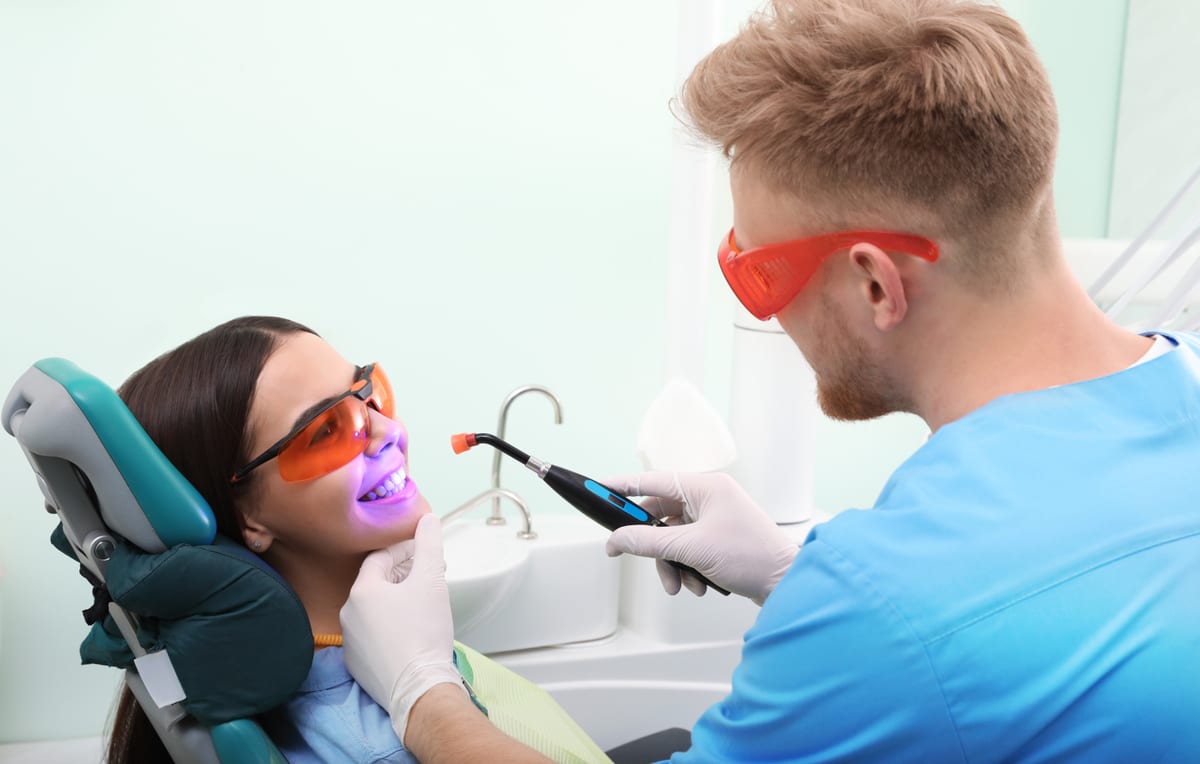
You have probably wondered: will your teeth actually whiten? The candidacy test starts with understanding that not every smile responds the same way. Some people see dramatic results. Others see very little change. Knowing which category you fall into saves time, money, and frustration.
Whitening treatments work by lifting stains from natural tooth enamel. They cannot change the color of restorations, treat all stain types, or correct structural issues. This guide helps you self-screen before your next appointment.
Who Gets the Best Whitening Results?
Ideal candidates share a few common traits. Their teeth are healthy, intact, and free from major restorations. Their staining comes from external sources rather than internal discoloration.
The strongest candidates typically have:
- Yellow or light-brown surface stains from coffee, tea, or red wine
- Healthy enamel with no significant erosion
- Minimal existing dental work on visible front teeth
- No untreated cavities or active gum disease
- Realistic expectations about the degree of whitening
Surface stains respond quickly to peroxide-based treatments. Yellow tones generally lift faster than gray or brown tones. If your staining fits this profile, professional whitening can deliver noticeable results in a short time.
The Candidacy Test: Stain Type Makes All the Difference
Not every discoloration is a stain. Understanding the difference is central to the candidacy test. Stains fall into two main categories: extrinsic and intrinsic.
Extrinsic stains sit on the outer surface of the enamel. These respond well to whitening. They come from food, drinks, tobacco, and poor oral hygiene habits.
Intrinsic stains originate inside the tooth structure. Whitening gels cannot reach them. These discolorations require a different treatment approach entirely.
Common causes of intrinsic staining include:
- Tetracycline antibiotic use during tooth development
- Excessive fluoride exposure in childhood (fluorosis)
- Trauma that caused internal bleeding inside a tooth
- Genetic conditions that affect enamel or dentin
- Aging, which naturally darkens dentin over time
Intrinsic stains often appear gray, dark brown, or banded. If you notice these patterns, whitening will likely produce disappointing results. Your dental team can help identify which type of staining you have.
Will Your Teeth Whiten If You Have Crowns, Veneers, or Fillings?
This is one of the most important questions in the candidacy test. Dental restorations do not respond to whitening treatments. Peroxide gels only work on natural tooth enamel.
If you have porcelain veneers, crowns, or composite bonding on your front teeth, whitening will only affect the surrounding natural teeth. This can create an uneven, mismatched appearance. That is not a cosmetic outcome anyone wants.
Here is what that means in practice. If your natural teeth whiten but your crown does not, your smile looks inconsistent. The crown retains its original shade while the rest of your teeth brighten.
Patients in this situation have two better options. First, whiten your natural teeth first and then replace older restorations to match the new shade. Second, consider porcelain veneers to create a uniform, bright smile across all visible teeth. Our dental team can evaluate your existing restorations and recommend the right sequence.
Medication-Induced and Age-Related Staining: What to Expect
Certain medications cause discoloration that whitening cannot fix. Tetracycline antibiotics are the most well-known culprit. When taken during childhood while teeth are forming, they bind to the tooth structure permanently.
The resulting stains appear in bands of gray, yellow, or brown. They sit deep inside the dentin layer. Even high-concentration professional whitening shows limited effect on tetracycline staining.
Antihistamines, antipsychotics, and some blood pressure medications can also contribute to discoloration. This happens through different mechanisms, including dry mouth, which accelerates staining from food and drinks.
Age-related darkening presents a separate challenge. As enamel thins over time, the darker dentin underneath shows through more visibly. Whitening can help to some degree, but results are less dramatic than with younger enamel.
For both medication-induced and age-related discoloration, porcelain veneers or dental crowns often produce more satisfying outcomes. These restorations physically cover the discolored surface rather than trying to lift it.
What To Do If You Are Not a Whitening Candidate
A failed candidacy test is not bad news — it is useful information. Knowing why whitening will not work for you points directly toward what will.
Porcelain veneers are thin ceramic shells bonded to the front of your teeth. They create a uniformly bright, natural-looking smile regardless of underlying stain type. They are a strong option for tetracycline staining, deep discoloration, or uneven tooth color caused by multiple restorations.
Dental crowns fully cover a discolored tooth. They work well when the tooth has structural issues alongside cosmetic ones. Composite bonding is another option for localized discoloration on smaller areas.
Your path to a brighter smile still exists. It may just look different than you expected. A thorough evaluation by our dental team will clarify which option fits your specific situation best.
Frequently Asked Questions
Does professional whitening work better than over-the-counter kits?
Yes, professional whitening uses higher-concentration peroxide gels and custom-fitted trays or in-office light activation. This typically delivers faster, more even results than store-bought strips. However, neither option works on restorations or intrinsic stains.
How do I know if my stains are extrinsic or intrinsic?
Extrinsic stains are usually yellow or light brown and appear on the outer surface. They often respond to polishing and whitening. Intrinsic stains are gray, dark brown, or banded, and sit within the tooth structure. A dental examination can confirm which type you have.
Can I whiten my teeth if I have sensitive teeth?
Sensitivity does not automatically disqualify you from whitening. Many patients with sensitive teeth complete whitening successfully using lower-concentration gels and extended treatment schedules. Your dental team can tailor the approach to minimize discomfort.
Will whitening damage my enamel?
When used as directed, professional whitening is safe for enamel. Overuse or using products not designed for your teeth can cause temporary sensitivity or minor enamel changes. Always follow your dental team’s guidance to protect your enamel throughout treatment.
How long do whitening results last?
Results typically last six months to two years depending on your diet, oral hygiene, and habits like coffee or tobacco use. Touch-up treatments and avoiding heavily staining foods and beverages help maintain your results longer.
Taking the time to understand your candidacy is the smartest first step toward a brighter smile. Our dental team at Seven Bridges Dental Studio is ready to evaluate your smile and recommend the most effective path forward. Learn More about how we can help you.