
6325 Main St #140, Woodridge, IL 60517
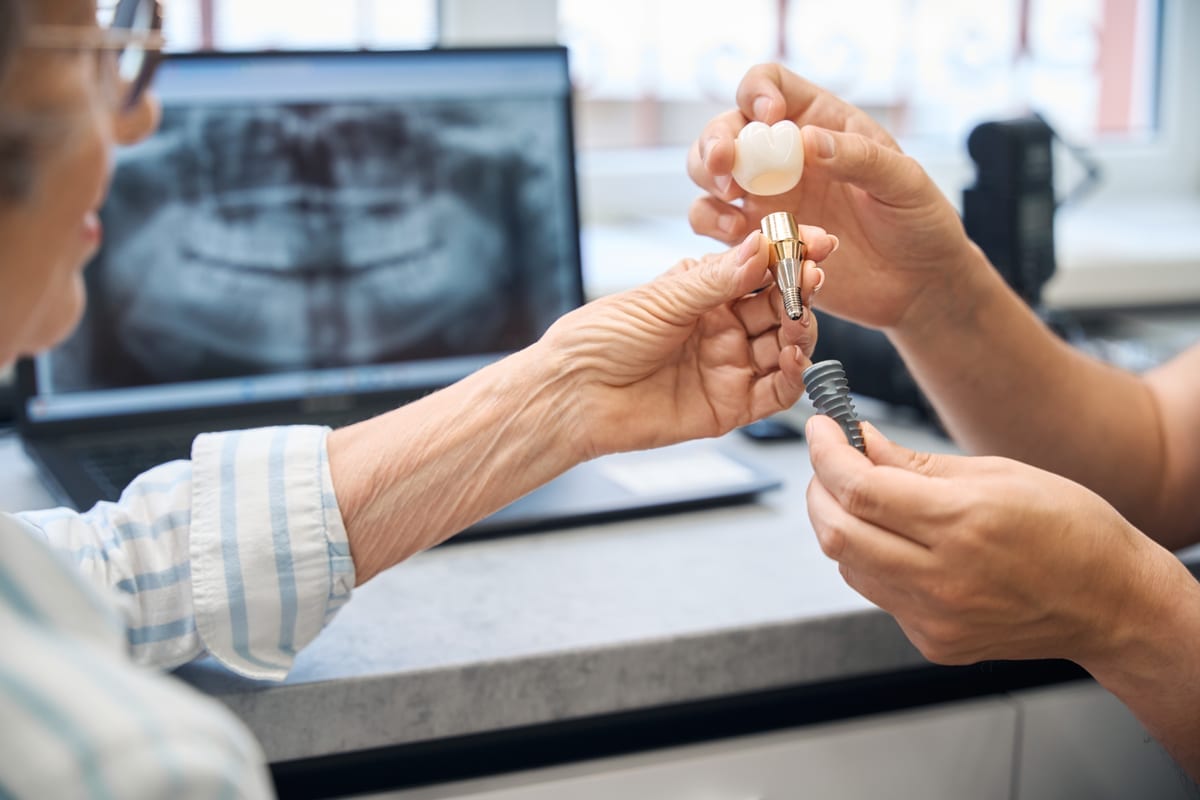
Many people feel nervous about dental implants. The unknown is often scarier than the procedure itself. Understanding what really happens during your dental implant procedure can ease anxiety and help you feel confident moving forward. Our dental team at Seven Bridges Dental Studio is here to walk you through every step.
Dental implants are one of the most effective tooth replacement options available today. They look, feel, and function like natural teeth. But the process involves several stages, each with a clear purpose. Knowing what to expect helps you prepare both mentally and physically.
Step One: The Consultation and Treatment Planning
Every successful dental implant procedure starts with a thorough consultation. Our dental team will examine your mouth, gums, and jawbone. We use digital X-rays and 3D imaging to assess bone density and structure. This step tells us whether you are a strong candidate for implants.
During this visit, we also review your medical and dental history. Certain health conditions or habits may affect healing. We discuss your goals and answer every question you have. You leave the consultation with a clear, personalized treatment plan.
If bone loss is present, a bone graft may be recommended first. This step rebuilds the foundation needed to support the implant. Grafting does add time to the overall process. However, it significantly improves long-term implant success.
What Really Happens During Your Dental Implant Procedure: The Surgery Itself
On surgery day, our team ensures you are fully comfortable before anything begins. Local anesthesia is administered to numb the treatment area. Sedation options are also available for patients who feel more anxious. You should not feel pain during the procedure itself.
The surgeon carefully makes a small incision in the gum tissue. This exposes the jawbone underneath. A small, precisely sized channel is then drilled into the bone. The titanium implant post is placed securely into that channel.
The incision is then closed with sutures. A protective cover is placed over the implant site in some cases. The entire surgical appointment typically takes one to two hours. The number of implants being placed affects the total time.
Here is what typically happens during the implant surgery visit:
- Anesthesia or sedation is administered for comfort
- A small incision is made in the gum tissue
- A channel is carefully drilled into the jawbone
- The titanium post is inserted into the bone
- The gum tissue is sutured closed around the site
The Healing Phase: Osseointegration Explained
After surgery, the real biological work begins. The titanium post must fuse with your natural jawbone. This process is called osseointegration. It is what makes dental implants so stable and long-lasting.
Osseointegration typically takes three to six months. During this time, bone cells grow around and bond to the implant surface. You will have follow-up visits so our team can monitor your progress. Most patients return to normal daily activities within a few days of surgery.
Mild swelling, bruising, and discomfort are normal after the procedure. Over-the-counter pain relief is usually sufficient. Our team provides detailed aftercare instructions before you leave. Following those instructions supports faster, smoother healing.
Foods to avoid during early healing include:
- Hard or crunchy foods that strain the implant site
- Sticky or chewy foods that may pull at sutures
- Very hot foods or beverages that increase swelling
- Carbonated drinks that can irritate healing tissue
Placing the Abutment and Final Crown
Once osseointegration is complete, the next stage begins. A small connector piece called an abutment is attached to the implant post. This piece connects the implant to the final restoration. A minor procedure is performed to place it, usually with local anesthesia.
Impressions or digital scans of your mouth are then taken. These are used to custom-fabricate your final crown. The crown is designed to match the size, shape, and shade of your surrounding teeth. Achieving a natural look is a core part of the process.
When the crown is ready, it is secured onto the abutment. Our team checks your bite carefully to ensure proper alignment. Any minor adjustments are made during the same appointment. Once complete, your implant looks and functions just like a real tooth.
Long-Term Success and Aftercare
A dental implant can last decades with proper care. Daily brushing and flossing around the implant are essential. Regular dental checkups allow our team to monitor the implant and surrounding tissue. Early detection of any issue helps prevent complications.
Lifestyle habits also play a role in implant longevity. Smoking significantly reduces implant success rates. Grinding your teeth can place excess pressure on the implant crown. Our dental team can recommend a night guard if grinding is a concern.
The investment in a dental implant pays off over the long term. Unlike dentures or bridges, implants do not require removal or adhesives. They also help preserve jawbone, which naturally shrinks after tooth loss. That preservation protects your facial structure over time.
Conclusion
Now you know what really happens during your dental implant procedure — from the first consultation to the final crown placement. Each step serves a purpose and brings you closer to a complete, confident smile. Our dental team at Seven Bridges Dental Studio is committed to guiding you through every stage with care and clarity. Learn More about how we can help you.
Frequently Asked Questions
Is the dental implant procedure painful?
Most patients report feeling little to no pain during the procedure itself. Local anesthesia effectively numbs the area throughout the surgery. Some soreness and swelling occur in the days following the procedure. This is typically manageable with over-the-counter pain relief and resolves within a week.
How long does the entire dental implant process take?
The full process from consultation to final crown placement can take anywhere from three to nine months. Much of that time is the natural healing and osseointegration phase. Patients who require a bone graft may need additional time. Your personalized treatment plan will outline a realistic timeline for your situation.
Am I a good candidate for dental implants?
Most healthy adults with adequate jawbone density are good candidates. Our dental team evaluates your bone structure, gum health, and overall health history during the consultation. Conditions like uncontrolled diabetes or heavy smoking can affect candidacy. Many patients who initially lack sufficient bone can still qualify after a bone grafting procedure.
What happens if I do not have enough jawbone for an implant?
If bone density is insufficient, a bone graft is typically recommended before implant placement. The graft material encourages your body to grow new, healthy bone in that area. After the graft heals — which can take several months — the implant procedure can proceed as normal. This extra step significantly improves the long-term stability of the implant.
How do I care for my dental implant after placement?
Caring for a dental implant is very similar to caring for a natural tooth. Brush twice daily and floss around the implant carefully. Use a soft-bristled toothbrush to avoid irritating the surrounding gum tissue. Attend regular dental checkups so our team can monitor the health of the implant and surrounding bone.