6325 Main St #140, Woodridge, IL 60517
If you are considering dental implants near Downers Grove, recovery is probably on your mind. Understanding what to expect during dental implant recovery — a complete timeline — helps you feel prepared and confident. At Seven Bridges Dental Studio, Dr. Fariha Querishi guides every patient through each stage of healing. Knowing what lies ahead makes the entire process far less intimidating.
Dental implants are a long-term investment in your smile and overall oral health. The recovery process requires patience, but most patients find it very manageable. This guide walks you through the full recovery timeline, pain management strategies, dietary recommendations, and long-term care tips.
Your Dental Implant Recovery Timeline in Downers Grove
Recovery from dental implants happens in distinct phases. Each phase serves a specific purpose in your healing journey. Understanding these stages helps you set realistic expectations from day one.
Days 1–3: Immediate Post-Procedure Phase
The first 72 hours are the most critical. Swelling, mild bleeding, and discomfort are completely normal during this window. Most patients describe the sensation as similar to having a tooth extracted. Rest as much as possible and follow Dr. Querishi’s post-operative instructions closely.
Days 4–7: Early Healing Phase
Swelling typically peaks around day three and then gradually subsides. Bruising near the implant site may also appear during this phase. You should begin feeling noticeably better by the end of the first week. Soft foods and gentle oral hygiene remain essential throughout this period.
Weeks 2–4: Soft Tissue Healing
The gum tissue around the implant starts healing more rapidly during weeks two through four. Sensitivity decreases significantly for most patients. You can gradually reintroduce slightly firmer foods as comfort allows. Avoid anything crunchy, sticky, or hard until Dr. Querishi gives you the green light.
Months 2–6: Osseointegration Phase
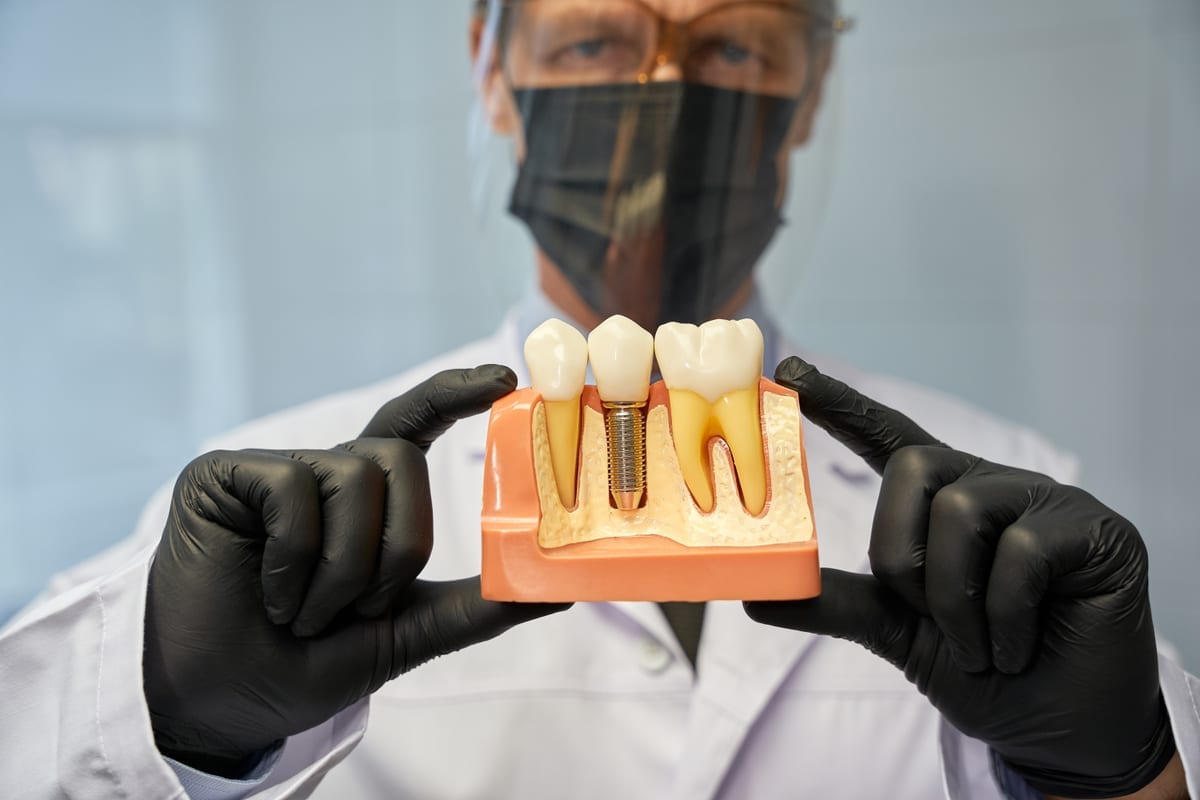
This is the most important phase of the entire process. Osseointegration refers to the implant fusing with your jawbone. It takes between three and six months to complete fully. During this time, the implant becomes a permanent, stable part of your jaw structure.
Managing Pain and Discomfort After Your Implant Procedure
Pain management is a top concern for most implant patients in Downers Grove. The good news is that modern implant techniques minimize post-procedure discomfort significantly. Dr. Querishi will provide personalized recommendations for managing any pain you experience.
Here are common pain management strategies used after dental implant placement:
- Over-the-counter anti-inflammatory medications like ibuprofen reduce swelling and pain effectively
- Prescription pain relievers may be provided for the first few days if needed
- Applying an ice pack to the outside of your cheek reduces swelling during the first 48 hours
- Avoiding strenuous physical activity for the first week reduces throbbing discomfort
- Sleeping with your head elevated helps minimize overnight swelling
Most patients find they only need over-the-counter pain relief after the first couple of days. Severe or worsening pain is not normal and should prompt a call to our office immediately. Seven Bridges Dental Studio is always available to address any concerns that arise during your recovery.
For patients with significant dental anxiety, Dr. Querishi also offers sedation options. Sedation Dentistry can make both the implant procedure and follow-up appointments much more comfortable for anxious patients.
What to Eat During Dental Implant Recovery
Your diet plays a huge role in how smoothly your implant heals. Eating the wrong foods too soon can disrupt the healing process or even damage the implant site. Following a strategic eating plan protects your investment and speeds up recovery.
Days 1–7: Liquid and Soft Food Diet
Stick exclusively to soft, easy-to-chew foods during the first week. Avoid using a straw, as suction can disrupt the healing tissue. Good options during this phase include:
- Smoothies and protein shakes without seeds or chunks
- Yogurt, applesauce, and mashed potatoes
- Scrambled eggs and soft-cooked oatmeal
- Lukewarm soups without hard vegetables or chunks
- Pudding, soft tofu, and ripe bananas
Weeks 2–4: Transitioning Back to Normal Foods
You can slowly reintroduce softer, semi-solid foods as healing progresses. Pasta, fish, soft-cooked vegetables, and tender meats are generally fine. Continue avoiding anything that requires excessive chewing or biting force. Listen to your body — discomfort is a signal to slow down.
Month 2 and Beyond
Once Dr. Querishi confirms that osseointegration is progressing well, you can return to a normal diet. Most patients are back to eating their favorite foods well before the six-month mark. A well-integrated implant functions just like a natural tooth.
Long-Term Care for Your Dental Implants
Dental implants can last a lifetime with proper care and maintenance. Your daily oral hygiene habits directly impact the longevity of your implant. Dr. Querishi emphasizes long-term care education as a core part of the Seven Bridges Dental Studio experience.
Follow these essential long-term care tips to protect your implant investment:
- Brush twice daily with a soft-bristled toothbrush around the implant crown
- Floss daily using implant-safe floss or an interdental brush
- Attend regular professional cleanings to prevent peri-implantitis
- Avoid chewing ice, hard candies, or other extremely hard objects
- Wear a nightguard if you grind your teeth during sleep
Regular Periodontal Care appointments are especially important for implant patients. Gum disease is one of the leading causes of implant failure. Catching and treating any gum issues early protects both your natural teeth and your implants.
Routine Teeth Cleaning visits allow Dr. Querishi’s team to monitor your implant health over time. These visits also give you the opportunity to ask questions and address any changes you have noticed. Staying proactive is the single best thing you can do for your long-term implant success.
Conclusion: Your Recovery Starts With the Right Support Team
Understanding what to expect during dental implant recovery — a complete timeline in Downers Grove — removes the fear of the unknown. Recovery is a gradual process, but it is very manageable with the right guidance. Dr. Fariha Querishi and the Seven Bridges Dental Studio team are dedicated to supporting you at every stage. From the day of your procedure through your final follow-up, you will never navigate recovery alone. Book Now to schedule your appointment with our team.
Frequently Asked Questions
How long does dental implant recovery typically take?
Most patients feel comfortable within one to two weeks after the procedure. However, full osseointegration — the implant fusing to the jawbone — takes between three and six months. During this time, you can usually resume normal daily activities within a few days.
Is dental implant recovery painful?
Mild to moderate discomfort is normal for the first three to five days. Over-the-counter anti-inflammatory medications manage most of this pain effectively. Severe or worsening pain should be reported to Dr. Querishi promptly, as it may indicate a complication.
When can I return to work after getting a dental implant?
Most patients return to desk work or light-duty jobs within one to two days. If your job involves heavy physical labor, plan for at least three to five days off. Always follow Dr. Querishi’s specific recommendations based on your procedure.
What foods should I avoid after dental implant surgery?
Avoid hard, crunchy, sticky, or chewy foods for the first several weeks. Foods like chips, nuts, raw carrots, caramel, and tough meats can disturb the healing site. Stick to soft, nutrient-rich foods that support tissue repair and comfort.
How do I keep my dental implant clean during recovery?
Gently rinse with warm salt water after meals during the first week. Once cleared by Dr. Querishi, brush softly around the implant site twice daily. Use implant-safe floss or an interdental brush to keep the area free from bacteria and food debris.